MemoVance Pro Official Website › Blog › The Retracted Citrulline Paper
The Retracted Citrulline Paper Still Being Quoted
The most-cited study in this corner of the supplement aisle carries a retraction notice. It is still quoted across marketing pages, because a citation copied from another marketing page is never checked against the record. Checking takes about thirty seconds.
- A 2018 meta-analysis reporting that citrulline lowers blood pressure is flagged on its PubMed record as a retracted publication.
- The retraction notice was published in the same journal three years later.
- Neither fact reaches the pages that cite the original, because citations in this category are copied rather than checked.
- A different 2018 meta-analysis on the same question, not retracted, found no significant effect on brachial or central blood pressure.
- This website cites the second one, including on the pages about the product it sells.
The paper everybody cites
Search for citrulline and blood pressure and one paper dominates the results: a 2018 systematic review and meta-analysis in the Journal of Human Hypertension reporting that citrulline supplementation reduced blood pressure.
It is an attractive citation for anybody selling citrulline. It is a meta-analysis rather than a single trial, which sits high in the usual hierarchy of evidence. It is in a specialist journal. It is recent enough to look current. And it reports a positive result on a hard outcome rather than a soft one.
The PubMed record for it carries a flag: the publication type field reads retracted publication, and a retraction notice was published in the same journal in 2021.
What a retraction is, and what it is not
A retraction is a journal formally withdrawing a paper from the scientific record. The paper usually remains available so the literature citing it can still be understood, but it is marked, and the mark means it should no longer be relied on.
Retractions happen for a range of reasons: errors in the analysis, problems with the underlying data, duplicate publication, or misconduct. A retraction notice normally states which, and the honest position for anybody outside the process is to report the fact of the retraction rather than to characterise the reason.
What a retraction is not is a matter of debate about the conclusion. It is a formal status on the record, visible on the record, and it is either there or it is not.
Why it matters more here than elsewhere
In most fields a retracted paper stops being cited fairly quickly, because the people citing it are researchers who work with the record daily. Supplement marketing is not that field. A citation that entered the marketing bloodstream in 2019 propagates by copying, and nothing in that chain ever revisits the source.
Why retracted results keep circulating
- Citations are copied, not read. A page cites the paper because another page cited it, and the chain often runs back years.
- A headline outlives its paper. News coverage from the year of publication stays online, unmarked, and ranks well.
- Secondary databases lag. Reference managers and aggregators do not always carry the retraction flag, so a citation exported in 2019 still looks clean.
- Nobody in the chain has an incentive to check. The result is convenient for everyone quoting it.
- The flag is easy to miss if you arrive at the abstract through a search snippet rather than through the record itself.
None of that requires anybody to be acting in bad faith, which is what makes it worth writing about. A chain of honest people copying each other reproduces a withdrawn result indefinitely.
The replacement, and what it found
A second meta-analysis on the same question was published in 2018, in Current Hypertension Reports, and it carries no retraction flag. It pooled the clinical trials of citrulline supplementation and blood pressure and found no significant effect: the brachial systolic change was a fraction of a millimetre of mercury with a confidence interval crossing zero, and the central pressure result was similar.
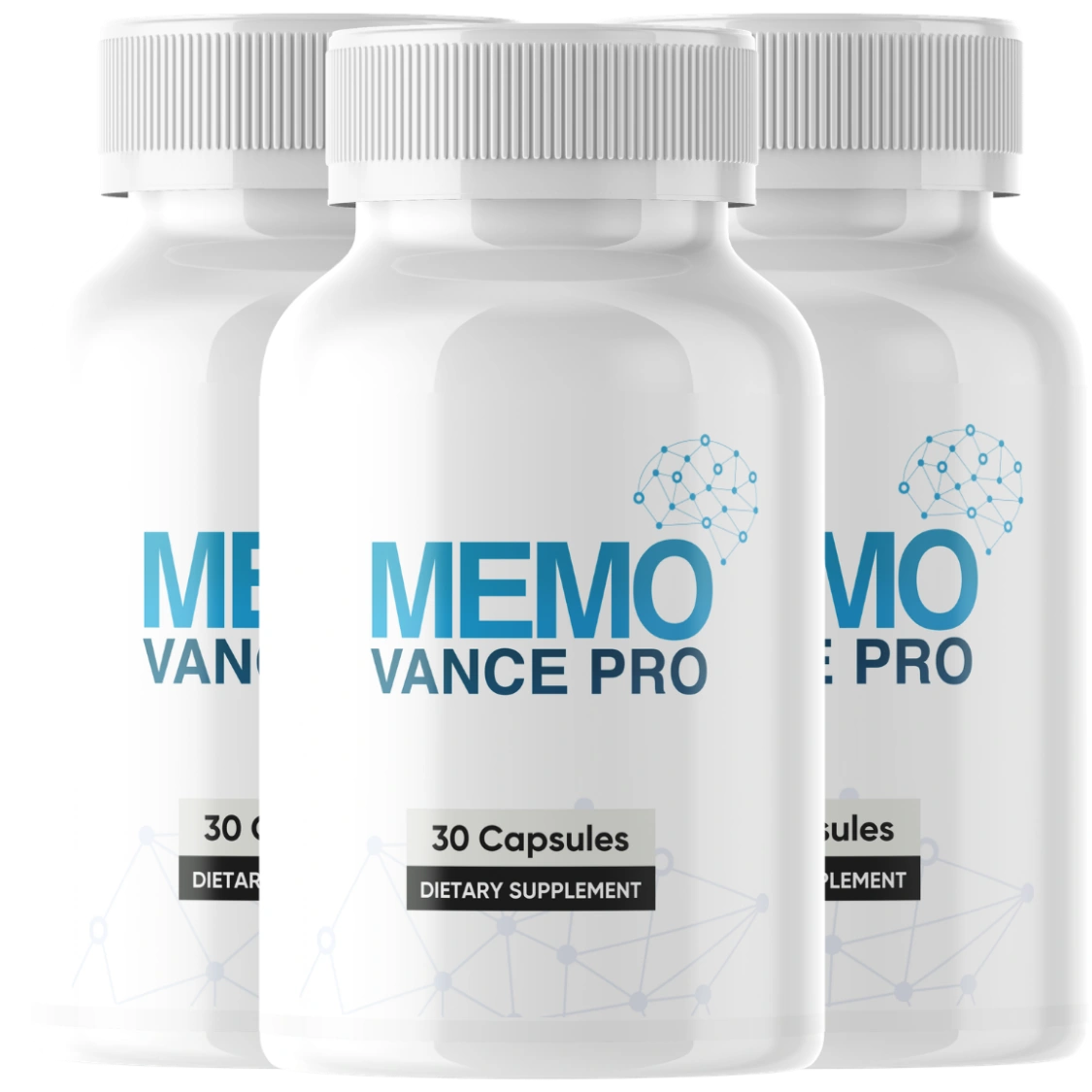
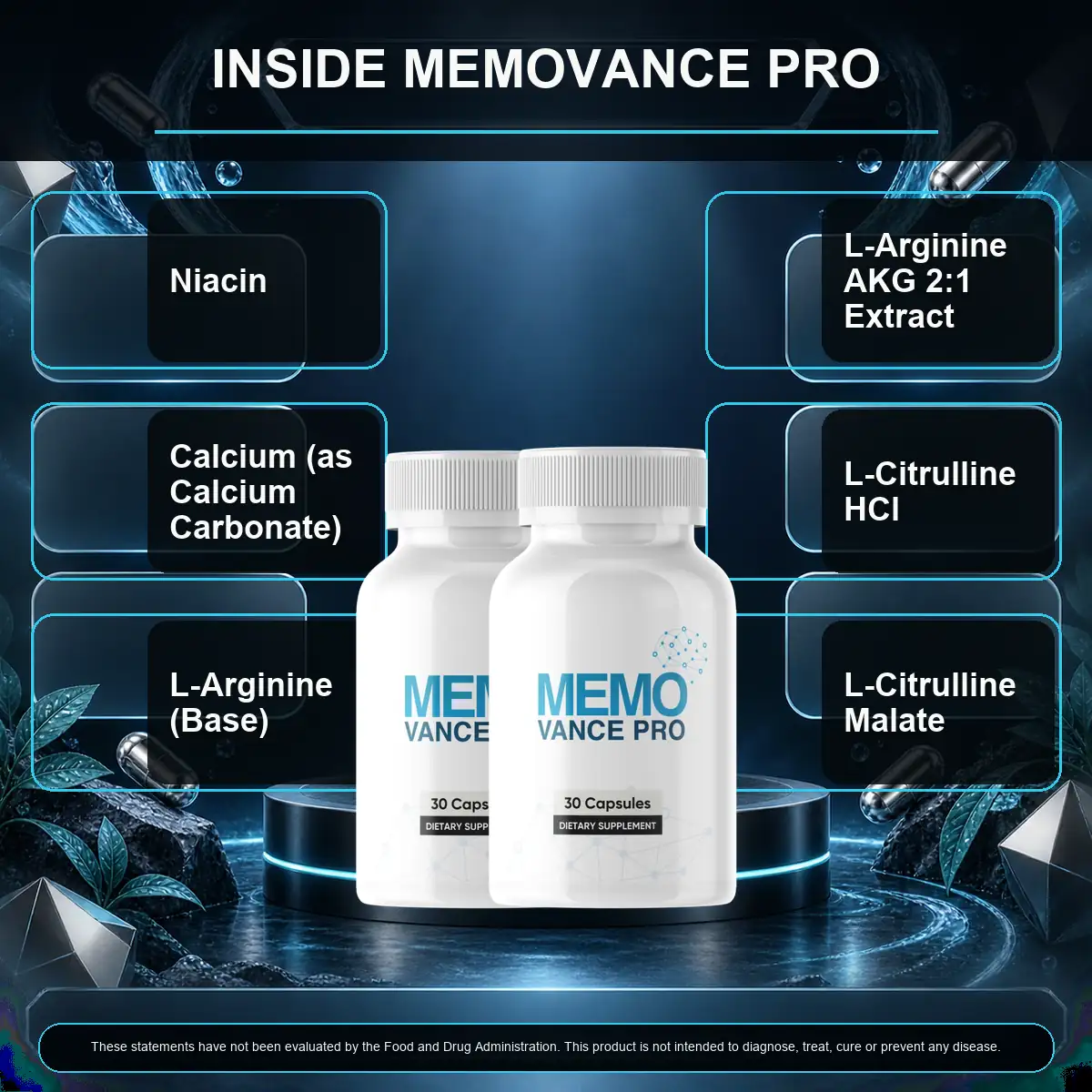
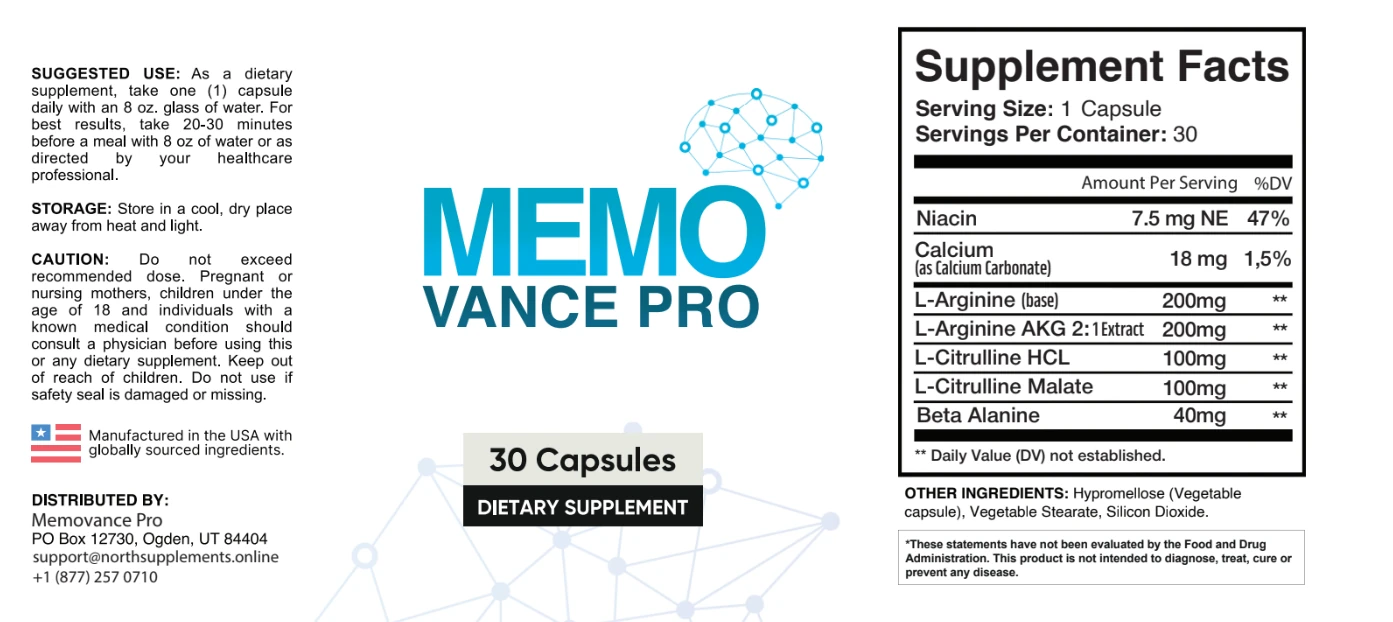
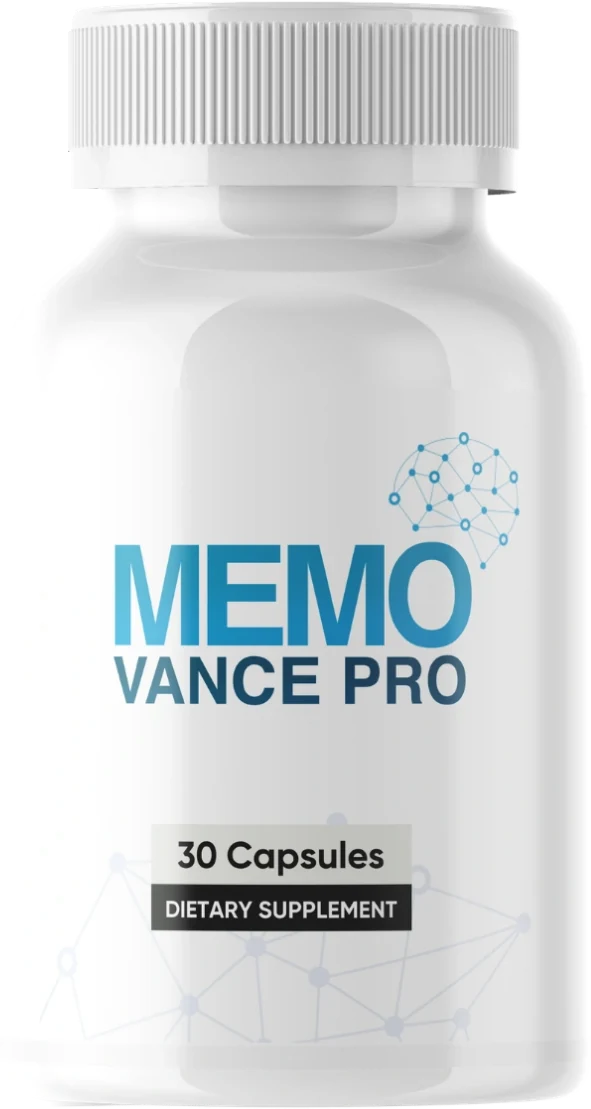
That is the paper this website cites, on the home page, on the guides, on the disclaimer and on the pages about the product it sells. It is the least flattering result available on an ingredient that occupies two of seven rows on this bottle.
Citing it is not a display of virtue. It is what happens when the rule is to cite the un-retracted record on a question rather than the convenient one, and the rule produces this outcome whether it suits the page or not.
The two papers, side by side
| The retracted paper | The replacement this desk cites | |
|---|---|---|
| Journal | Journal of Human Hypertension | Current Hypertension Reports |
| Year | 2018 | 2018 |
| Subject | Citrulline supplementation and blood pressure | Citrulline supplementation and blood pressure |
| Status on the record | Flagged as a retracted publication | No flag |
| What it reported | A reduction in blood pressure | No significant effect on brachial or central pressure |
Two meta-analyses on one question, published the same year, reaching opposite conclusions. Only one of them is still standing.
Two meta-analyses, one question, one year, opposite conclusions. That happens in science and it is usually a reason to read both carefully. Here one of them has been withdrawn, which settles it.
Every citation on this MemoVance Pro website was checked against the record
Each one records the quantity its own trial used, so the printed figures on the panel can be compared with it. Packs from $49 a bottle and 180 days from the date of purchase.
$79, $69 or $49 a bottle by pack size · 180-day money-back guarantee
Order MemoVance Pro On The Official WebsiteLot MEM-26/TH-4477 · 30 capsules · 7 rows, 7 printed figures
Checking a citation in thirty seconds
| What to look at on a PubMed record | What it tells you | How long it takes |
|---|---|---|
| The coloured banner at the top | Whether the paper has been retracted, corrected or has an expression of concern attached | Two seconds |
| The publication type field | Whether it is a trial, a review, a meta-analysis or a case report | Two seconds |
| The dose in the abstract | The quantity the researchers thought worth testing | Ten seconds |
| The population | Whether it was healthy adults, athletes or a patient group | Five seconds |
| The primary outcome and whether it moved | What the study actually found, rather than what a headline says it found | Fifteen seconds |
Five fields, about thirty-five seconds, and they settle most disputes about a citation in this category.
The first row is the one this article is about and it is the quickest of the five. Open the PubMed record, look at the top of the page, and a retraction, a correction or an expression of concern is displayed there in a coloured banner.
The other four rows are worth the same half-minute for a different reason, covered next.
Three other things a record tells you
The dose. This is the single most useful field for anybody comparing a citation with a label, and it is nearly always in the abstract. The citrulline dose-ranging study tested 2, 5, 10 and 15 grams. The arginine dose-response meta-analysis found its effect at four grams a day and above. Knowing those two numbers makes most citrulline and arginine marketing readable at a glance.
The population. Trained athletes, healthy young adults, older adults, or a patient group with a specific condition. A result in one of those does not automatically describe any of the others, and the abstract always says which.
What actually moved. A study measures several things and reports all of them. The primary outcome is the one it was designed to answer, and the interesting question is whether that one moved or whether a secondary measure did. A meta-analysis of citrulline malate and muscle strength is a useful example: it pools trials on a specific outcome in a specific population, and quoting it for anything else would be a misuse of it.
What this desk does with all of it
- Every record is confirmed live. Each citation on this website was pulled through the public interface in the session that wrote the page, and the bibliographic details were read off that response rather than typed from memory.
- The dose is recorded beside it. That is what lets a printed label amount be set against the amount that produced a result, which is the most useful thing this website does.
- Flagged records are excluded. The retracted meta-analysis is deliberately absent from the reference list, and the un-retracted paper on the same question is used in its place.
- Unflattering results are cited alongside flattering ones. The flat pooled citrulline result appears on several pages, including commercial ones.
- Sources that block automated requests are recorded as such rather than dropped, and no figure is taken from a page that could not be read.
The full method is on the about page, and the reference list at the foot of every page on this website is the subset that page actually cites.
The habit worth taking away
A citation in this category is worth exactly as much as the last person who checked it, and the check is not hard.
Open the record. Look at the banner. Read the dose. That is three of the five rows in the table above and it takes under fifteen seconds, and it will separate a real reference from a decorative one faster than any amount of reading about mechanisms.
NCCIH's guidance on using dietary supplements sensibly makes a broader version of the same point, and it is worth reading once by anybody who buys anything in this aisle.
For this product specifically, the category guide carries the quantities each family of ingredients was tested at, which is the other half of the same habit.
The habit described above is a reading habit, not a clinical one. A citation tells you what a trial found in the people it recruited, and nothing on this page is medical advice or a claim about what this or any supplement does for an individual. Questions about your own medication or memory belong with somebody who can examine you.
References
- Mirenayat MS, Moradi S, Mohammadi H, Rouhani MH. Effect of L-Citrulline Supplementation on Blood Pressure: a Systematic Review and Meta-Analysis of Clinical Trials. Curr Hypertens Rep. 2018;20(11):98. PMID 30284051. https://pubmed.ncbi.nlm.nih.gov/30284051/
- Moinard C, Nicolis I, Neveux N, et al. Dose-ranging effects of citrulline administration on plasma amino acids and hormonal patterns in healthy subjects: the Citrudose pharmacokinetic study. Br J Nutr. 2008;99(4):855-62. PMID 17953788. https://pubmed.ncbi.nlm.nih.gov/17953788/
- Aguiar AF, Casonatto J, Silva AM, et al. Effects of Citrulline Malate Supplementation on Muscle Strength in Resistance-Trained Adults: A Systematic Review and Meta-Analysis of Randomized Controlled Trials. J Diet Suppl. 2022;19(6):772-790. PMID 34176406. https://pubmed.ncbi.nlm.nih.gov/34176406/
- Shiraseb F, Asbaghi O, Bagheri R, et al. Effect of l-Arginine Supplementation on Blood Pressure in Adults: A Systematic Review and Dose-Response Meta-analysis of Randomized Clinical Trials. Adv Nutr. 2022;13(4):1226-1242. PMID 34967840. https://pubmed.ncbi.nlm.nih.gov/34967840/
- Using Dietary Supplements Wisely. National Center for Complementary and Integrative Health, National Institutes of Health. https://www.nccih.nih.gov/health/using-dietary-supplements-wisely